
Direct Wallet Delivery
Purchased Bitcoin is sent directly to the wallet destination provided during the transaction process.
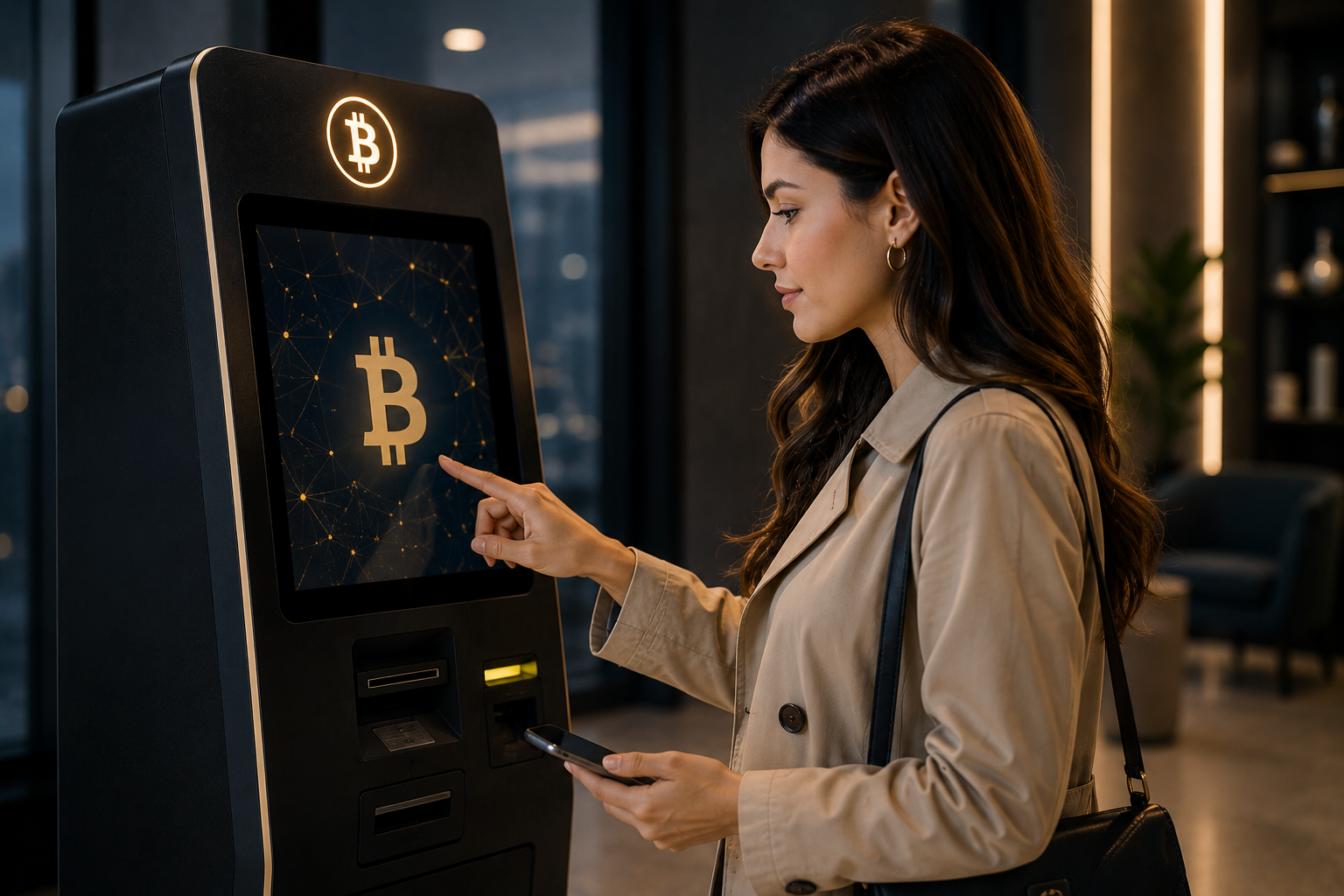
Buy Bitcoin and have it delivered directly to your personal wallet. Learn how wallet delivery works, what wallets are compatible, common mistakes to avoid, and why many buyers prefer receiving Bitcoin directly into wallets they control.
Educational content only. Not financial, legal, tax, or investment advice. Verification requirements, wallet compatibility, transaction reviews, payment method availability, purchase limits, account eligibility, supported cryptocurrencies, delivery timing, and provider policies may vary.
Learn how buying Bitcoin sent directly to your wallet works, what wallets can receive Bitcoin, common mistakes to avoid, wallet security best practices, and how direct wallet delivery compares with custodial platforms.
Yes. Many Bitcoin providers allow buyers to purchase Bitcoin and have it delivered directly to a personal wallet. This approach gives buyers control over where their Bitcoin is received while allowing them to maintain ownership of their wallet.
Instead of keeping Bitcoin on a platform, many buyers choose to have Bitcoin delivered directly to a wallet they control. This allows the wallet owner to manage access, security settings, and long-term storage preferences according to their own needs.
Before a transaction can be completed, buyers typically provide a Bitcoin wallet address. Once the purchase is processed and any applicable requirements are satisfied, the Bitcoin is delivered to that wallet address.
While direct wallet delivery is widely available, the exact experience can vary. Factors such as payment method, transaction size, verification requirements, processing timelines, and provider policies may influence how and when Bitcoin is delivered.
When Bitcoin is sent directly to your wallet, you control the destination wallet. Providing accurate wallet information is an important part of ensuring successful delivery.
Many Bitcoin purchasing services allow buyers to receive Bitcoin directly into their own wallet.
Buyers maintain control over the wallet used to receive purchased Bitcoin.
Delivery occurs after transaction processing and any applicable review requirements.
Buyers must provide a compatible Bitcoin wallet address before delivery can occur.
When people talk about buying Bitcoin sent directly to their wallet, they are referring to a purchase process where the Bitcoin is delivered to a wallet address they control. Instead of leaving the Bitcoin inside a platform account, the purchased Bitcoin is transferred directly to a designated wallet destination.
A Bitcoin wallet is a tool that allows users to manage access to their Bitcoin. When a purchase is completed and Bitcoin is sent to a personal wallet, the destination wallet address determines where the Bitcoin is delivered.
Many buyers prefer this approach because it allows them to use a wallet they already own and manage. The wallet remains under the user's control, while the provider facilitates the Bitcoin purchase and delivery process.
Before a transaction is finalized, buyers typically provide a Bitcoin wallet address. Once the transaction is processed, Bitcoin is delivered to that address according to the provider's procedures and timelines.
Providing accurate wallet information is important because the wallet address tells the network where the purchased Bitcoin should be delivered.
Self-custody refers to using a wallet that you control rather than relying on a third party to hold Bitcoin on your behalf.
The wallet address provided during the purchase process serves as the destination where Bitcoin will be delivered.
After a transaction is completed and any applicable requirements are satisfied, Bitcoin is sent to the designated wallet address.
Buyers maintain control over the wallet they choose, including how it is accessed, managed, and secured.
Many Bitcoin buyers choose direct wallet delivery because it allows purchased Bitcoin to be sent straight to a wallet they control. While individual preferences vary, direct delivery is often associated with greater flexibility, personal wallet management, and a more self-directed ownership experience.
Direct wallet delivery places the destination of purchased Bitcoin in the hands of the buyer. Rather than relying on a platform to hold Bitcoin after a purchase, buyers can choose the wallet that best fits their needs and preferences.
For some users, this creates a more streamlined experience because Bitcoin arrives directly at the intended destination. It also allows buyers to organize and manage their Bitcoin using their preferred wallet tools and security practices.
While every buyer has different goals, direct wallet delivery remains a popular option for individuals seeking greater control over where their Bitcoin is stored after purchase completion.
Buyers choose the wallet address, maintain wallet access, and determine how they manage their Bitcoin after delivery.
Many buyers appreciate knowing exactly where their Bitcoin is delivered and maintaining control over the destination wallet.
Bitcoin is delivered directly to a wallet selected by the buyer, helping create a direct ownership workflow.
Buyers can choose the wallet software, hardware, or self-custody solution that best fits their preferences.
Some buyers prefer minimizing reliance on custodial account storage after completing a purchase.
Direct delivery can support a variety of wallet types, giving buyers flexibility in how they receive and manage Bitcoin.
Whether using a hardware wallet, mobile wallet, desktop wallet, or another compatible Bitcoin wallet, many buyers value the ability to receive purchased Bitcoin directly into a wallet they manage.
Buying Bitcoin and having it delivered directly to your wallet typically follows a straightforward process. While exact requirements and timelines may vary by provider, the overall workflow usually includes account setup, payment selection, wallet entry, purchase completion, and Bitcoin delivery.
Begin by creating an account and providing any information required to access available purchasing options.
Select a payment option and purchasing method available through the provider.
Provide the Bitcoin wallet address where you want the purchased Bitcoin to be delivered.
Finalize the transaction according to the selected funding method and any applicable requirements.
After processing is completed, Bitcoin is delivered to the wallet address provided during the purchase process.
The wallet address determines where Bitcoin is delivered. Verifying wallet information before completing a transaction can help reduce avoidable delivery issues.
Bitcoin can be delivered to many different wallet types. The right wallet depends on how you prefer to manage access, security, storage, and day-to-day Bitcoin usage. While wallet features vary, many buyers choose a wallet that matches their personal preferences and ownership goals.
Before purchasing Bitcoin, buyers typically provide a compatible Bitcoin wallet address. That wallet address acts as the destination where purchased Bitcoin will be delivered after transaction processing is complete.
Wallets can take many forms, from mobile applications and desktop software to dedicated hardware devices and advanced multi-signature solutions. Each wallet type offers a different ownership and management experience.
Regardless of wallet type, buyers typically need a valid Bitcoin wallet address before purchased Bitcoin can be delivered.
Dedicated physical devices designed to store wallet credentials separately from internet-connected environments.
Smartphone-based wallets that allow buyers to manage and access Bitcoin from mobile devices.
Software wallets installed on a computer that provide wallet management through a desktop environment.
Wallets that allow users to manage access and control independently rather than relying on a third-party custodian.
Wallet setups that use multiple approvals or signing requirements before certain actions can occur.
Any wallet capable of receiving Bitcoin through a valid Bitcoin wallet address may potentially be used for direct delivery.
Before entering a wallet address during a purchase, buyers should confirm that the selected wallet is compatible with Bitcoin and review wallet information carefully before completing the transaction.
A Bitcoin wallet address determines where purchased Bitcoin is delivered. Taking a few moments to review wallet information before confirming a transaction can help reduce avoidable mistakes and improve the overall purchase experience.
Bitcoin transactions rely on the wallet address provided during the purchase process. Because the wallet address acts as the delivery destination, accuracy is important before confirming any transaction details.
Many buyers use wallet verification habits such as reviewing the full address, checking the destination multiple times, and using QR codes when available. These simple practices can help reduce common errors associated with manual entry.
While every wallet and provider may have different workflows, reviewing information carefully before submitting a purchase request remains one of the most widely recommended best practices.
Reviewing wallet information before final submission can help ensure Bitcoin is delivered to the intended wallet address.
Review the wallet address before submitting a transaction to confirm it matches the intended destination.
Long wallet addresses can be difficult to enter manually, making verification especially important.
Before confirming a purchase, verify that the destination wallet address is the one you intended to use.
QR codes may help reduce the need for manual entry and can simplify the wallet address input process.
Take time to review transaction details, payment information, and wallet destination before final approval.
Buying Bitcoin sent directly to your wallet is generally straightforward, but simple mistakes can create unnecessary delays, confusion, or transaction issues. Understanding common errors can help buyers prepare more effectively before completing a purchase.
Before confirming a Bitcoin purchase, buyers should take time to verify wallet information, review transaction details, and ensure the selected wallet is compatible with the intended transaction.
Many common issues stem from simple oversights rather than technical problems. Reviewing wallet addresses, understanding network requirements, and protecting wallet access information can help create a smoother purchase experience.
While provider processes may vary, careful preparation before completing a transaction is one of the most effective ways to reduce avoidable mistakes.
Taking a few extra moments to review wallet information and transaction details can help prevent common purchasing mistakes.
Wallet addresses should be reviewed carefully before submission to help ensure Bitcoin is delivered to the intended destination.
Buyers should verify that the wallet being used is compatible with Bitcoin before beginning a transaction.
Double-checking wallet addresses before confirming a transaction can help reduce avoidable errors.
Wallet credentials, recovery information, and access details should be handled carefully and kept private.
Reviewing purchase information, wallet destinations, and transaction details before confirmation is a helpful practice.
Buyers should ensure the wallet and network requirements align with the transaction being completed.
Most common Bitcoin purchasing mistakes can be reduced through careful review of wallet addresses, transaction information, wallet compatibility, and destination details before confirmation.
Both direct wallet delivery and custodial platforms provide ways to acquire Bitcoin, but they differ in how Bitcoin is stored, accessed, and managed after purchase. Understanding these differences can help buyers choose the experience that best matches their preferences.
With direct wallet delivery, Bitcoin is sent to a wallet selected by the buyer. The buyer controls the destination wallet and manages access after delivery. Many buyers choose this approach because it provides a direct path from purchase to personal wallet ownership.
Custodial platforms typically hold Bitcoin within a platform account after purchase. The platform manages custody functions until the user decides to withdraw Bitcoin to an external wallet, if withdrawal is available.
Neither approach is universally better. The preferred option often depends on how a buyer wants to manage ownership, access, storage, and wallet control.
Direct wallet delivery sends Bitcoin to a wallet chosen by the buyer, while custodial platforms typically retain custody within a platform-managed account until withdrawal.
Bitcoin is delivered directly to a wallet selected and managed by the buyer.
Bitcoin remains within the platform environment until a withdrawal is performed.
Some buyers prefer receiving Bitcoin directly into a personal wallet, while others may prefer keeping Bitcoin within a custodial platform environment. The right choice depends on individual ownership preferences, wallet experience, and account management goals.
Buying Bitcoin sent directly to your wallet may involve verification steps, transaction reviews, payment method requirements, and delivery timelines that vary by provider. Understanding these factors can help buyers set expectations before completing a purchase.
While direct wallet delivery allows buyers to receive Bitcoin into a personal wallet, the overall purchasing process may still involve verification procedures, transaction reviews, and payment-related requirements. These processes often depend on the provider, transaction type, payment method, and applicable compliance obligations.
Buyers should also understand that Bitcoin delivery timing can vary. Processing timelines may depend on account status, transaction review procedures, funding methods, operational workflows, and other provider-specific factors.
Because requirements vary across platforms, reviewing the provider's policies before initiating a transaction can help buyers better understand what to expect.
Even when Bitcoin is delivered directly to a personal wallet, providers may still apply verification, compliance, payment, and transaction review procedures.
Different providers may have different verification procedures depending on transaction type, account status, and other operational requirements.
Funding methods may influence transaction workflows, processing procedures, and purchase requirements.
Some transactions may be subject to additional review processes depending on provider policies and operational requirements.
Bitcoin delivery timelines can differ based on payment processing, transaction reviews, account requirements, and provider workflows.
Providers may maintain compliance-focused processes designed to meet applicable operational and regulatory obligations.
Verification requirements can vary based on provider policies, transaction types, payment methods, and other factors. Explore our detailed guide covering identity verification considerations when purchasing Bitcoin.
Crypto Dispensers allows eligible customers to purchase Bitcoin and have it delivered directly to a wallet they control. The process is designed to combine account-based purchasing, transaction visibility, wallet delivery, and customer support resources within a compliance-focused framework.
After creating an account and completing any applicable requirements, customers can purchase Bitcoin using available payment methods and provide a wallet address where purchased Bitcoin should be delivered.
Rather than holding Bitcoin inside a custodial account workflow, Crypto Dispensers is designed around delivering purchased Bitcoin directly to a customer-supplied wallet address once transaction processing requirements are satisfied.
Customers can review transaction information through their account while maintaining visibility into purchases and delivery activity. Support resources are also available to help answer questions related to the purchasing process.
Bitcoin is delivered to the wallet address supplied during the purchase process, allowing customers to receive Bitcoin directly into a compatible wallet they control.
Purchased Bitcoin is sent directly to the wallet destination provided during the transaction process.
Customers provide the Bitcoin wallet address that will receive the purchased Bitcoin after processing is completed.
Customers purchase Bitcoin through their Crypto Dispensers account and can access purchase-related information through the platform.
Transaction records help customers review purchase activity and maintain visibility into completed transactions.
Customers can access available support resources when they need assistance with account, transaction, or purchasing questions.
Transaction processing may include verification, review, and operational procedures designed to support applicable compliance requirements.
Crypto Dispensers combines account-based purchasing, direct wallet delivery, transaction visibility, customer support resources, and compliance-focused processes to help eligible customers purchase Bitcoin and receive it in a wallet they control.
Below are answers to some of the most common questions about buying Bitcoin and having it delivered directly to a personal wallet.
Yes. Many Bitcoin providers support direct wallet delivery. During the purchase process, buyers provide a compatible Bitcoin wallet address, and purchased Bitcoin is delivered to that address after transaction processing requirements are completed.
Buyers typically need a compatible Bitcoin wallet that can receive Bitcoin through a valid wallet address. Examples may include hardware wallets, mobile wallets, desktop wallets, self-custody wallets, and other compatible Bitcoin wallet solutions.
For direct wallet delivery purchases, a wallet address is generally required because it serves as the destination where Bitcoin will be delivered after the transaction is completed.
Many buyers choose hardware wallets for Bitcoin storage. If the hardware wallet supports Bitcoin and provides a compatible receiving address, it may be used as the destination wallet for direct delivery purchases.
Wallet information should always be reviewed carefully before confirming a transaction. Because wallet addresses determine where Bitcoin is delivered, verifying the destination address before submission is an important best practice.
Delivery timing varies based on factors such as payment methods, transaction reviews, verification procedures, operational workflows, and provider-specific processing requirements.
Direct wallet delivery allows buyers to receive Bitcoin directly into a personal wallet rather than keeping it within an exchange account environment. Available options may vary by provider.
Verification requirements vary by provider, transaction type, payment method, account status, and other factors. Buyers should review the specific requirements associated with the platform they choose to use.
Explore additional guides covering Bitcoin purchasing methods, verification requirements, transaction timing, and beginner-friendly educational resources.
Learn how cash-funded Bitcoin purchases work and what to expect during the buying process.
Explore purchasing options that do not rely on traditional cryptocurrency exchanges.
Compare multiple Bitcoin buying methods and evaluate which approach may fit your goals.
Understand the basics of purchasing Bitcoin and the key concepts new buyers should know.
Learn about factors that may affect Bitcoin purchase processing and delivery timelines.
Learn about verification considerations and why requirements may vary between providers.
Create your Crypto Dispensers account, choose your preferred purchase method, and have Bitcoin delivered directly to your wallet.
 Built for Bitcoin access
Add cash to your Crypto Dispensers account at participating retail checkout locations, use supported online payment routes, or choose eligible ACH and wire options where available.