Learning to save what I earned
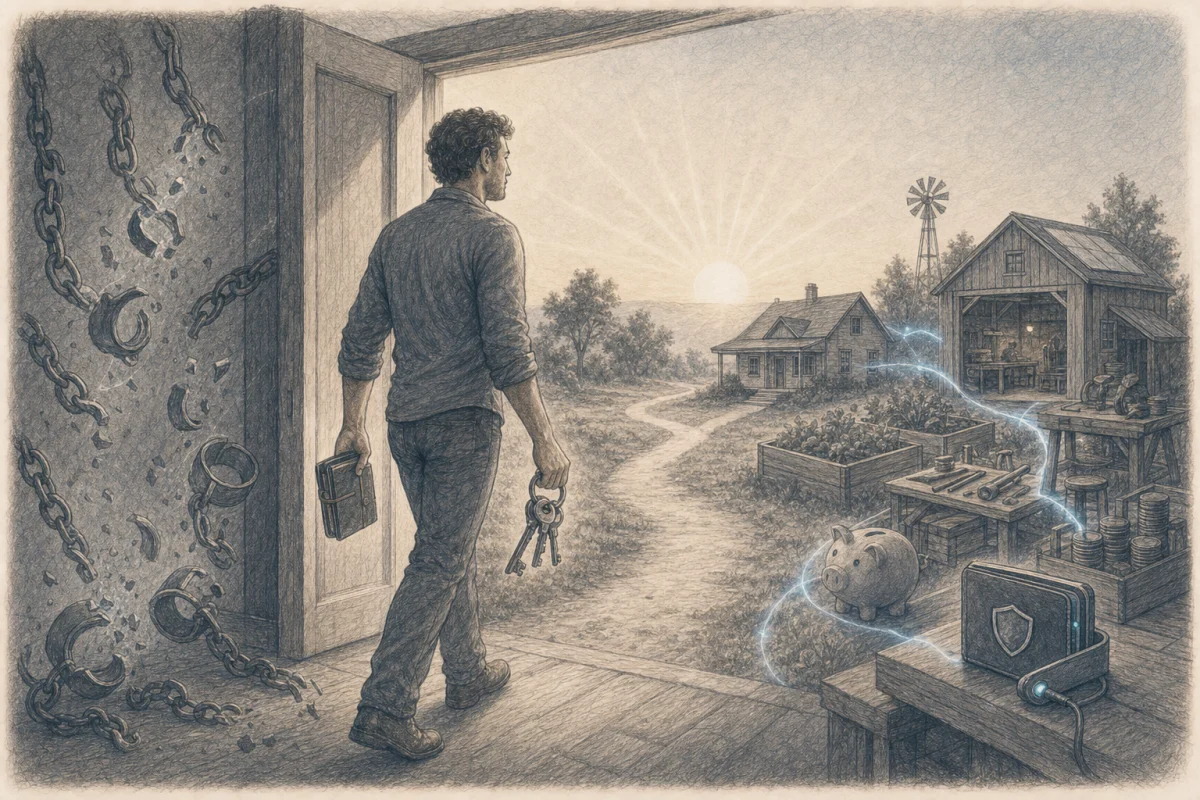
As a first-generation American, I grew up believing that hard work could give my family a better life. When I began earning money through my own businesses, I wanted to put some of it aside. Learning to save made me think more carefully about what that money would be worth when my family needed it.
A person can work for years and still feel as though they are starting over. Bills consume the next paycheck. Prices rise. Savings that once seemed substantial cover less than they used to. That experience made me think about what ownership actually means.
I wanted savings I could rely on and more control over how I held them. I wanted to understand what I owned and what could affect its value.
I wanted to understand the rules around my money well enough to make those choices for myself.
Why I bought silver and gold
Before Bitcoin, I used profits from earlier businesses to buy silver and then gold. Part of the appeal was practical: physical metal made it harder for me to spend savings on impulse. Selling it required a deliberate decision.
Gold had been used to preserve wealth for generations, which appealed to me. But owning it came with practical difficulties. It was hard to divide into smaller amounts or move over a long distance. I began wondering whether there was another way to save that gave me more flexibility.
That experience helped me understand what I was looking for. I wanted an asset with supply rules I could examine and a way to hold it directly. I was willing to learn how it worked rather than simply accept someone else's promise about it.
What I saw in Bitcoin
Bitcoin interested me because its supply rules were open to inspection. Its current rules limit the total supply to 21 million coins. I could study how new coins entered circulation instead of relying on an institution to explain a decision after it had been made.
That did not mean the price would be stable. A limited supply cannot guarantee what someone will pay for an asset tomorrow. Bitcoin can lose substantial value, and I do not confuse confidence in its design with certainty about an investment.
What mattered to me was the ability to understand the rules and choose whether I wanted to participate. I saw a form of digital ownership that I could learn about, hold directly, and transfer over an open network.
It was different enough from the tools I had used that I wanted to take it seriously.
Control comes with work
Holding an asset yourself creates responsibilities that a bank or another service might otherwise handle. You have to protect access to it. You have to understand where you are sending it. A mistaken or fraudulent crypto transfer generally cannot be reversed.
I value the ability to act without asking a financial institution to authorize every movement. I also know that this freedom can be costly when someone is unprepared. Independence requires judgment and a willingness to learn.
The same applies to a business helping people use Bitcoin. Making a service easier to reach does not remove the need to verify customers, examine transactions, keep records, or respond to fraud. Those duties are part of doing the work properly.
Why I built Crypto Dispensers
I started Crypto Dispensers because owning Bitcoin was more difficult in practice than the idea suggested. Someone could have cash and an interest in the technology but still struggle to find a process they understood.
The first approach was a Bitcoin ATM. Over time, I learned where that approach helped and where its costs and limitations got in the way. The company developed other ways for customers to participate because I wanted to solve the problem rather than remain attached to a particular machine.
I think about the people who work hard and want something to show for it. I think about my own family and the decisions I have made as a husband and father. They give the work a purpose that lasts longer than a market cycle.
I cannot promise anyone that buying Bitcoin will improve their life. I can keep working toward a service that explains the choice clearly and treats the person making it with respect. That is the kind of company I wanted to build.